
- All
- Product Name
- Product Keyword
- Product Model
- Product Summary
- Product Description
- Multi Field Search
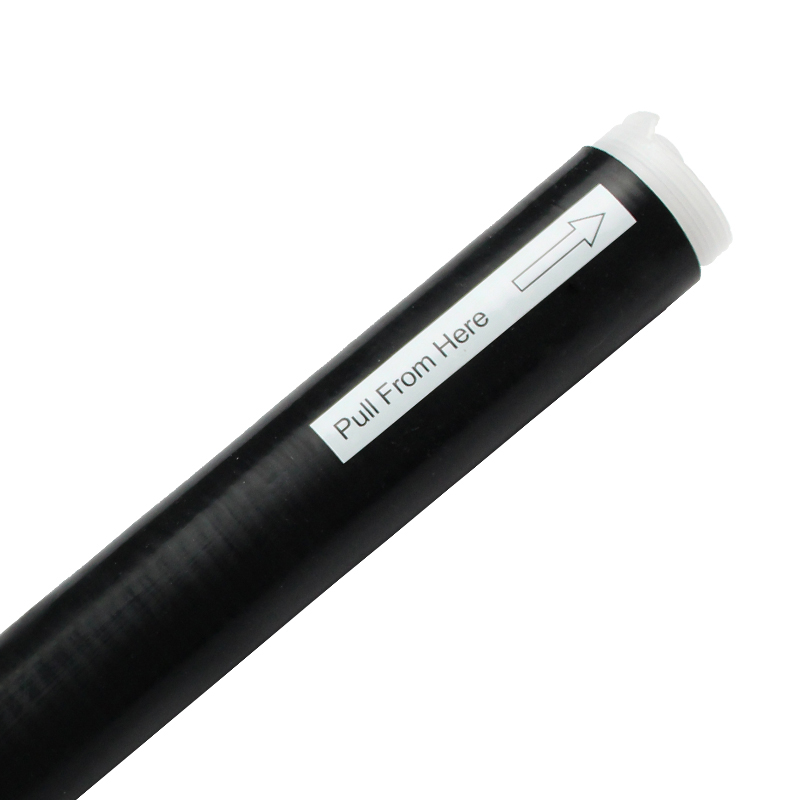
Cold shrink tube is a revolutionary cable protection and sealing solution that requires no heat gun, no open flame, and no professional heating equipment. Unlike traditional heat shrink tubing that relies on high-temperature shrinking, cold shrink products rely on elastic material memory to shrink and fit cables, connectors and splices tightly. Thanks to its easy installation, zero fire risk, excellent waterproof and insulating performance, cold shrink tubing is widely used in power distribution, telecommunication base stations, outdoor wiring, new energy equipment and industrial harness systems.
Different cold shrink tube materials bring huge differences in temperature resistance, weather aging resistance, oil resistance and service life. Choosing the wrong material will cause sealing failure, aging cracking, water ingress and equipment short circuit risks. This guide will help you choose cold shrink tubes accurately by material characteristics and actual application scenarios.
Cold shrink tube is made of high-elastic rubber polymer materials, pre-expanded and supported by removable plastic cores. After installation, removing the support core allows the tube to shrink automatically and maintain permanent radial compression force, forming a tight waterproof and insulating protective layer.
High insulation performance – suitable for medium and high voltage cable protection
High elasticity and strong recovery force
IP68 waterproof sealing grade
Halogen-free, environmentally friendly and high insulation
Pros
Works stably in extreme cold and extreme heat; resistant to harsh outdoor weather; maintains stable elasticity for decades; ideal for high-reliability projects.
Cons
Higher cost; poor resistance to mineral oil and fuel immersion.
Best Applications
Telecom base station cables, 5G RF connectors, solar power systems, railway transit wiring, new energy vehicle harnesses, high-voltage cable terminations, alpine and desert outdoor facilities.
EPDM (Ethylene Propylene Diene Monomer) is the most cost-effective mainstream material for standard cold shrink products, widely used in power engineering.
Key Performance
Temperature range: -40°C to 85°C
Excellent moisture, UV and ozone resistance
Stable electrical insulation performance
Reliable IP68 waterproof sealing
Pros
Cost-efficient for large-scale projects; stable performance in normal outdoor environments; good abrasion and aging resistance.
Cons
Cannot withstand continuous high temperature above 90°C; poor high-temperature stability compared with silicone.
Best Applications
Overhead power distribution cables, buried cable joints, building electrical wiring, conventional outdoor industrial harnesses, large-volume municipal power projects.
For extreme cold or high-temperature continuous working environment, choose silicone cold shrink tube; for normal temperature outdoor projects, choose EPDM for cost performance.
Outdoor long-term sun exposure and bad weather: silicone or high-grade EPDM; oil and chemical corrosion environment: must choose FKM.
High-voltage power and communication equipment require high-insulation and IP68 waterproof cold shrink tubes; fire-proof and explosion-proof areas must adopt tool-free cold shrink installation.
Standard conventional projects use economical EPDM; high-end and harsh environment projects use silicone; special chemical scenarios use FKM.
Using EPDM tubes in long-term high-temperature environments, resulting in accelerated aging and sealing failure
Using silicone tubes in oil immersion environments, causing material swelling and poor tightness
Choosing oversized cold shrink tubes, unable to form effective compression sealing force
Ignoring material weather resistance, leading to outdoor cracking and water ingress
Cold shrink tubes are indispensable for modern safe, fast and reliable cable sealing protection. Each material has its own positioning: silicone for extreme weather and high-reliability scenarios, EPDM for cost-effective conventional outdoor projects, and FKM for chemical and oil-resistant industrial environments. Selecting the correct cold shrink tube by material and application can greatly improve cable safety, extend service life and reduce maintenance costs.
As a professional cable sleeve and cold shrink tube manufacturer, we provide full-series cold shrink products with stable quality, complete specifications and customizable sizes for power, communication, new energy and industrial markets.
How to Choose Braided Cable Sleeve by Material and Application
How to Use Heat Shrink Tubing: Step-by-Step Complete Guide
Single Wall vs Dual Wall Heat Shrink Tubing: Differences & Applications
