- All
- Product Name
- Product Keyword
- Product Model
- Product Summary
- Product Description
- Multi Field Search
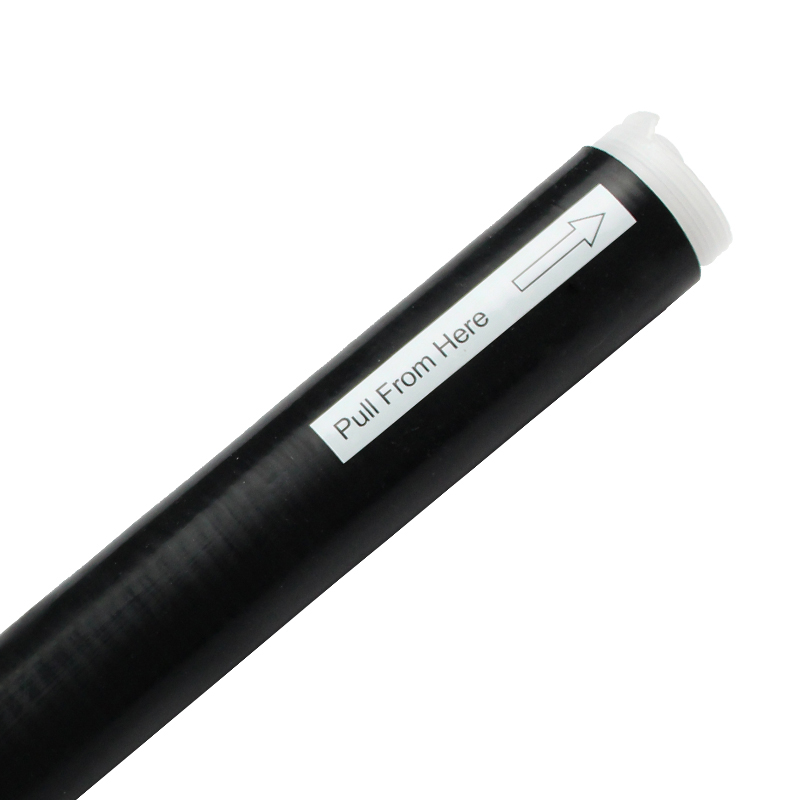
This professional guide explains the differences between mainstream cold shrink tube materials, including silicone, EPDM. It analyzes their temperature resistance, weather resistance, chemical resistance, mechanical performance and suitable working scenarios. The article also shares key selection principles and common mistakes, helping users select the most suitable and cost-effective cold shrink tubes for power cables, telecom wiring, outdoor harnesses, and special industrial environments without heat tools.
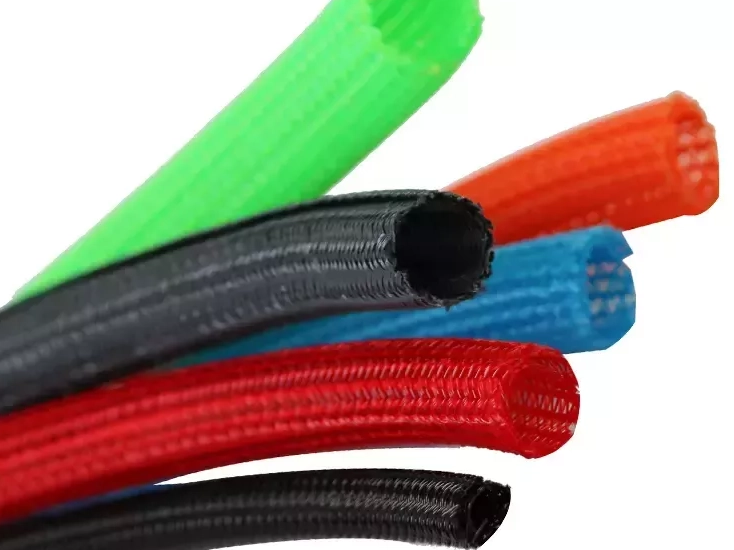
This professional guide elaborates on the core differences of mainstream braided cable sleeve materials including PET, nylon, fiberglass, Kevlar and tinned copper braid. It analyzes their respective temperature resistance, abrasion resistance, flame retardancy and functional advantages, matches each material with applicable scenarios such as household wiring, automotive harnesses, industrial high‑temperature equipment, aerospace and EMI shielding, and summarizes key selection criteria and common mistakes. It helps engineers, purchasers and DIY users quickly pick cost‑effective and high‑performance braided cable sleeves for specific wire harness protection needs.
As a professional cable and connector manufacturer, we specialize in corrugated conduits, heat shrink tubing, and custom cable harness accessories. We invite you to visit our booth at ICHPM Vietnam 2026 (May 14–16, ICE Hanoi) to explore our products, get technical support, and discuss cooperation opportunities.
This comprehensive guide provides a detailed overview of FEP corrugated tubes, a high-performance fluoroplastic component widely used for wire harness protection. It covers the definition and core properties of FEP corrugated tubes, key differences from other corrugated tubes (such as PTFE, PVC), size selection principles, necessary tools, step-by-step installation process, safety tips, common mistakes to avoid, and typical application scenarios. Suitable for professionals and DIY enthusiasts, this guide helps achieve reliable, long-lasting protection for wire harnesses in chemical, high-temperature, and high-vibration environments such as automotive, industrial, medical, and laboratory fields.
What Is Heat Shrink Tubing & Why Use It for Wire HarnessesHeat shrink tubing is a cross‑linked thermoplastic tube that reduces diameter permanently when heated to form a tight, protective layer around wires, connectors, splices, and terminals.Key Benefits Over Electrical TapePermanent seal – no peel
Cable failures rarely start in the lab. They start at sharp edges and tight bends.So, what is a cable sleeve really for? It protects, organizes, and simplifies service. In this article, you’ll learn key types, materials, sizing, and install tips that last.