
- All
- Product Name
- Product Keyword
- Product Model
- Product Summary
- Product Description
- Multi Field Search
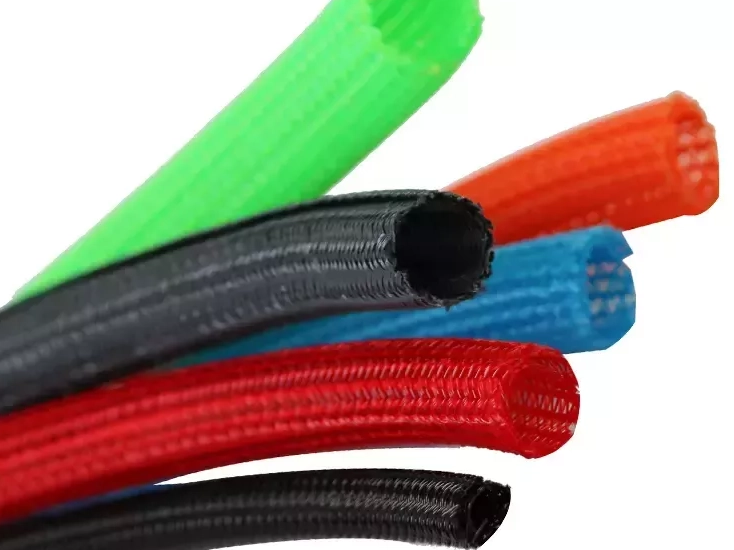
Cable failures rarely start in the lab. They start at sharp edges and tight bends.
So, what is a cable sleeve really for? It protects, organizes, and simplifies service. In this article, you’ll learn key types, materials, sizing, and install tips that last.
In most applications, abrasion is the primary cause of cable damage. Cables rub against brackets, frames, and neighboring components during vibration or movement. A cable sleeve creates a sacrificial layer that absorbs friction before the cable jacket is affected. This significantly reduces insulation wear in high-contact areas.
Heat exposure is another major risk, especially near engines, inverters, or power electronics. While a sleeve does not replace heat-rated insulation, it slows thermal aging and protects against brief temperature spikes. In industrial and outdoor environments, moisture, oils, and mild chemicals can also degrade cable jackets. Cable sleeving limits direct exposure and helps maintain electrical integrity over time.
Unmanaged wiring increases assembly time and maintenance errors. A cable sleeve groups multiple conductors into a single, stable bundle. This improves routing consistency and reduces clutter inside panels, racks, and machines. Technicians can identify and trace cable paths faster, which shortens troubleshooting and service cycles.
Clean routing also improves airflow in enclosures, helping thermal management. Over the product lifecycle, cable sleeving supports upgrades and inspections because the wiring layout remains predictable instead of becoming tangled or scattered.
Loose cables are more likely to snag during installation or maintenance. When that happens, sudden pulling places stress on connectors and crimps. A cable sleeve reduces exposed edges and distributes contact forces across the bundle. This limits localized strain and helps maintain proper bend radius.
In vibration-heavy systems, small movements quickly become continuous rubbing. Sleeving stabilizes the harness and lowers friction against nearby structures. These effects reduce failure risk and improve overall system safety, especially in environments where downtime is costly.
Motion accelerates wear. In robotics, vehicles, and automated equipment, cables flex thousands of times during normal operation. A flexible cable sleeve supports the bundle during repeated bending and twisting. It reduces scuffing at contact points and helps maintain smoother bends.
In dynamic zones, sleeve selection often matters more than cable thickness. A well-chosen sleeve paired with good routing can significantly extend service life without redesigning the entire harness.
Not all cable sleeves serve the same purpose. Selection should start from installation access and service needs, then move to protection level and appearance.
Cable sleeve type | Best use | Key benefit | Limitation |
Expandable braided | General bundling | Flexible, clean routing | Needs end finishing |
Self-wrapping | Retrofits, rework | No connector removal | Slightly bulkier |
Solid tubing | Simple coverage | Low cost, smooth | Limited expansion |
Split loom | Rough routing | Rugged protection | Bulky appearance |
Heat shrink | End control | Tight fit | Not reusable |
Expandable braided sleeving is the most common cable sleeve used in production. It expands to pass over connectors and contracts around the bundle, making it suitable for long runs and trunk sections. PET braid is widely used because it balances abrasion resistance, appearance, and cost. Nylon braid is often chosen when flexibility is more important.
Braided sleeving also allows heat to dissipate, which is beneficial in cabinets and power systems. However, cut ends can fray if left unfinished. Proper end control using heat shrink, clamps, or ties is essential for stable long-term performance.
Self-wrapping sleeving opens along a slit and wraps around existing cables. It is ideal for retrofits and systems that require frequent changes. Maintenance teams prefer this cable sleeve type because connectors remain in place and mid-span access is easy.
Self-wrapping sleeves also handle branch points well and support rework without full disassembly. They are commonly used in control cabinets, vehicles, and upgraded installations. For moving applications, flex performance and closure stability should be verified, as designs vary.
Solid tubing sleeves are used for simple coverage, identification, and protection in static environments. They slide easily through grommets and conduits but offer little flexibility. Connector pass-through is limited, which restricts use in complex harnesses.
Split loom is designed for rugged protection and fast installation. It tolerates edge contact and rough handling, making it common in automotive and industrial routing. The trade-off is bulk, which can limit packing density and affect appearance.
Heat shrink is often confused with a cable sleeve, but they serve different roles. Heat shrink creates a fixed, tight layer after heating. It is best for strain relief and end finishing. Cable sleeving remains flexible and reusable, supporting long runs and service access.
In many systems, both are used together. Sleeving protects the main run, while heat shrink secures and finishes the ends.
Tip: Choose sleeve type based on access and service needs before focusing on material.
Material choice defines temperature limits, flexibility, chemical resistance, and compliance scope.
Material | Strengths | Typical use |
PET | Abrasion resistance, value | General harnesses |
Nylon | High flexibility | Dynamic zones |
Aramid | High temperature | Hot environments |
PEEK | Chemical resistance | Medical, semiconductor |
Metal/composite | EMI control | Sensitive electronics |
PET is a standard material for cable sleeve applications. It offers good abrasion resistance, stable appearance, and consistent quality at reasonable cost. PET braid works well in indoor systems, racks, and general industrial harnesses.
Nylon sleeving is often chosen where repeated bending occurs. It tends to feel softer and more flexible, which helps in doors, seats, and robotic arms. Nylon can react to humidity, so real-world testing is recommended for clamp stability and fit.
Aramid-based sleeves, such as those using Nomex fibers, handle higher continuous temperatures and stricter flame requirements. They are commonly used near exhaust paths, heaters, and power electronics. These sleeves cost more and often require longer qualification.
PEEK sleeves offer excellent chemical resistance and thermal stability. They are used in medical and semiconductor equipment where contamination and degradation are unacceptable. These materials are selected when failure risk or regulation justifies higher cost.
EMI shielding cable sleeves incorporate metal or plated fibers to reduce electromagnetic interference. Their effectiveness depends on system design, including grounding and termination. Sleeving alone cannot solve EMI issues, but it supports a properly engineered shielding strategy.
Note: Always match material choice to verified test data and standards.
Incorrect sizing leads to loose fit, migration, and early wear. A simple workflow prevents most issues.
Step | Key action |
Measure bundle | Use largest diameter |
Check expansion | Account for connectors |
Plan length | Add slack and bends |
Finish ends | Decide before cutting |
Measure the bundle at its thickest point. Expandable braided cable sleeve options accommodate diameter variation, but expansion opens the weave and reduces coverage density. This affects abrasion behavior, so expansion range matters. Always check expanded specifications rather than nominal size alone.
Sleeves shorten slightly when expanded. Add allowance for bends, anchors, and service loops. Plan branch points early, since complex harnesses often require multiple sleeves. End finishing prevents fray and keeps the sleeve from creeping during vibration.
Tighter weaves improve abrasion resistance but reduce flexibility. Match weave density to duty cycle. Confirm compliance needs such as RoHS, REACH, or flame ratings early to avoid redesigns and approval delays.
Tip: Share drawings and environment details in RFQs to get accurate recommendations.
Braided cable sleeve products should be cut cleanly to avoid fraying and loose fibers. A hot knife is the fastest shop method for PET or nylon, since it seals the edge as it cuts. In the field, tape-assisted cuts work well: wrap the cut point, cut through the tape, then finish the end soon after. For high-heat fibers, sealing may require end caps or heat shrink instead of melting. After cutting, secure both ends so the sleeve cannot creep or bunch during vibration.
Practical end-control options include:
● Heat shrink end caps for a clean, tight finish
● Clamps or ferrules when you need stronger retention
● Cable ties for fast builds, but avoid sharp tie edges
● Strain relief near connectors to reduce pull stress
Good routing makes any cable sleeve last longer. Start by avoiding sharp edges and pinch points. Use grommets, edge guards, and proper clips at every pass-through. Keep a consistent bend radius, especially near connectors and moving joints. In hot zones, add spacing or heat barriers to reduce direct exposure. If the bundle moves, check full travel and confirm the sleeve does not rub a fixed bracket.
For maintenance, use a simple inspection routine. Look for fuzzing, thinning, glossy wear spots, and discoloration. Those signs often appear before jacket damage. Also check for oil residue or chemical buildup, since contamination can weaken polymers. Replace sleeving in high-wear areas early, then document the wear location to improve routing in the next revision.
Note: Installation quality often matters more than material upgrades.
Automotive harnesses face vibration, tight packaging, and frequent edge contact. So abrasion resistance and stable fit matter every day. Many harness paths also see fluids, splash, and temperature swings. EV systems add inverter heat and high-voltage routing zones, so material choice becomes stricter. In moving areas, they often need better flex life, not just thicker jackets.
In practice, teams pick sleeve types based on service access and build flow. Expandable braid works well for trunk runs. Self-wrapping styles help retrofits and mid-span changes. Heat shrink often finishes the ends to prevent creep. If EMI is a known risk, shielding sleeving may be considered as part of the grounding plan.
Industrial systems often combine motion and fast maintenance needs. Robots, drag chains, and actuators cycle constantly, so sleeving must stay flexible and resist scuffing. In factories, oils and debris can settle on harnesses, which changes friction and wear patterns. That makes routing clips, bend radius, and contact points more important than people expect.
In cabinets, a cable sleeve improves organization and speeds fault tracing. Self-wrapping sleeves help service teams add or remove lines without full disassembly. In server racks and electronics, breathable braid can support airflow and cleaner layouts. If signal stability matters, EMI control should be treated as a system design decision, not a sleeve-only fix.
Outdoor cables face UV, rain, temperature swings, and sometimes rodents. UV exposure can age polymers and cause cracking over time. Moisture can creep into weak terminations and accelerate corrosion. In coastal or marine areas, salt spray adds another corrosion driver. In these cases, the best results come from combining sleeving, good routing, and proper end finishing.
For solar farms and remote sites, rodent risk can be real. A rodent-resistant sleeve may reduce sudden outages (needs verification). Also consider sealing and termination control. Adhesive-lined heat shrink can help at ends if water ingress is a concern (needs verification). Always request test evidence for UV exposure and environmental performance before you lock the spec.
Tip: Request UV and environmental test evidence for outdoor projects.
A cable sleeve protects bundles from abrasion, heat, and snagging, while keeping wiring neat and serviceable. Choose by install style, material, and size, then finish ends and route away from pinch points.
In automotive, automation, and outdoor jobs, the right sleeving cuts wear and reduces rework. For production support, Dongguan Zhonghe Electronics Co., Ltd. supplies braided cable sleeve options that add real value. They offer customization, certification-ready materials, and responsive technical service for B2B buyers.
A: A cable sleeve is a protective cover that bundles and shields cables.
A: Measure bundle OD, then select a cable sleeve that fits and allows expansion.
A: A cable sleeve offers better abrasion protection and cleaner long-term routing.
A: Cable sleeve pricing depends on material, diameter, and features like heat or EMI protection.
A: Cut cleanly, then secure ends using heat shrink or clamps on the cable sleeve.
