
- All
- Product Name
- Product Keyword
- Product Model
- Product Summary
- Product Description
- Multi Field Search
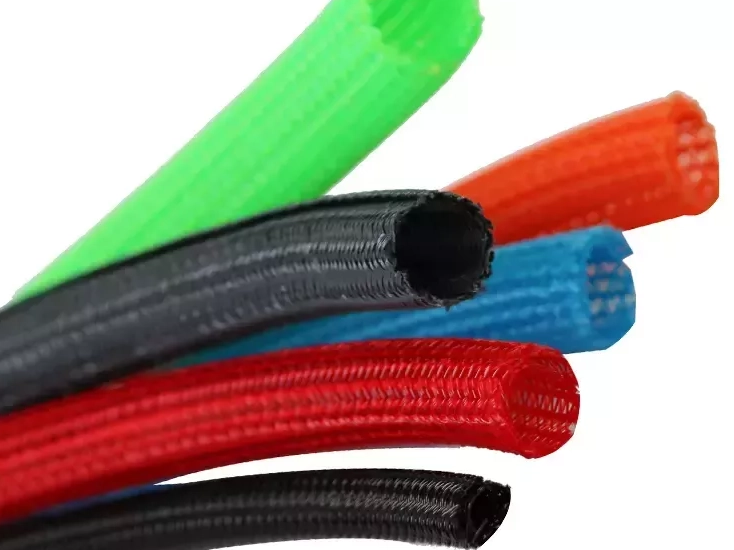
Heat shrink tubing is one of the most effective and professional ways to insulate, protect, and organize electrical wires and connections. Whether you are working on electronics, automotive wiring, DIY projects, or industrial electrical installations, learning how to use heat shrink tubing correctly can significantly improve durability, safety, and appearance.
This guide explains what heat shrink tubing is, why it is used, how to choose the right type and size, and how to apply it step by step—along with safety tips and common mistakes to avoid.
Heat shrink tubing is a thermoplastic tube that shrinks in diameter when heat is applied. Once heated, the tubing tightly conforms to the shape of the wire, connector, or splice underneath, forming a durable protective layer.
Heat shrink tubing is widely used for:
Electrical insulation
Protection from moisture, dust, and chemicals
Abrasion and strain relief
Bundling multiple wires together
Color coding and wire identification
Because of its versatility and reliability, heat shrink tubing is commonly used by electricians, engineers, technicians, and DIY users alike.
Electrical tape may be suitable for temporary fixes, but heat shrink tubing offers long-term protection and superior performance.
Key advantages include:
Durability – Does not loosen or peel over time
Improved insulation – Creates a tight, uniform seal
Better moisture resistance – Especially with adhesive-lined tubing
Cleaner appearance – Professional finish with no sticky residue
For applications where reliability matters—such as automotive wiring, outdoor installations, or industrial equipment—heat shrink tubing is the preferred solution.
There are two main types of heat shrink tubing:
Single Wall Heat Shrink Tubing
No internal adhesive
Commonly has a 2:1 shrink ratio
Suitable for basic insulation and abrasion protection
Lightweight and cost-effective
Dual Wall (Adhesive-Lined or Marine Grade)
Contains an inner adhesive layer
Typically has a 3:1 shrink ratio
Provides enhanced moisture and corrosion resistance
Ideal for outdoor, automotive, and marine applications
The shrink ratio describes how much the tubing shrinks compared to its original diameter.
2:1 shrink ratio: Shrinks to half its original diameter
3:1 shrink ratio: Shrinks to one-third of its original diameter
Higher shrink ratios are useful when covering connectors, splices, or uneven shapes, as they provide more flexibility during installation and a tighter final seal.
Selecting the correct tubing size is essential for proper performance.
Follow these principles:
The expanded diameter (before shrinking) must be large enough to slide over the wire or connector easily.
The recovered diameter (after shrinking) must be smaller than the object being covered to ensure a snug fit.
Allow for lengthwise shrinkage, typically around 5–7%, when cutting tubing.
For best results, choose tubing that fits comfortably before heating and tightens securely after shrinking without excessive force.
Before starting, gather the proper tools:
Heat gun (recommended for controlled, even heating)
Scissors or wire cutters
Wire stripper
Heat shrink tubing (correct size and type)
While lighters or open flames can be used in emergencies, they are not recommended due to uneven heating and higher risk of damage.
Choose tubing that fits over the wire or connector while allowing sufficient shrinkage for a tight seal.
Cut the tubing slightly longer than the area being covered. Ensure at least a small overlap onto existing insulation or connectors.
Before making electrical connections, slide the tubing onto the wire. For splices, center the tubing so it overlaps evenly on both sides.
Use a heat gun to apply heat gradually. Rotate the wire or move the heat source to ensure even shrinking around the entire circumference.
Avoid concentrating heat in one area, as this can cause burning, bubbling, or uneven shrinkage.
Once the tubing has fully conformed to the wire or connector, remove the heat source and allow it to cool naturally. Inspect the seal to ensure proper adhesion and coverage.
Working with heat requires caution. Follow these safety guidelines:
Always work in a well-ventilated area
Keep the heat gun moving to prevent overheating
Avoid touching the tubing immediately after heating
Use proper tools instead of improvised alternatives
Proper technique not only improves safety but also ensures consistent, professional results.
Many issues with heat shrink tubing result from simple mistakes:
Choosing tubing that is too large or too small
Overheating until the tubing becomes brittle or charred
Cutting tubing too short, leading to incomplete insulation
Using open flame without proper control
Avoiding these errors will greatly improve both performance and appearance.
Adhesive-lined heat shrink tubing is recommended when:
Exposure to moisture or humidity is expected
Wiring is installed outdoors or in vehicles
Long-term corrosion protection is required
The adhesive melts during heating and flows into gaps, providing additional sealing and durability.
Compared to electrical tape and other insulation options, heat shrink tubing offers:
Better longevity
Cleaner installation
Stronger resistance to environmental stress
While tape may still be useful for temporary fixes, heat shrink tubing remains the superior solution for permanent and professional applications.
Understanding how to use heat shrink tubing correctly is a valuable skill for anyone working with electrical wiring. By choosing the right type and size, applying heat properly, and following safety guidelines, you can achieve reliable insulation and long-lasting protection in almost any application.
Whether you are a professional installer or a DIY enthusiast, heat shrink tubing is an essential tool for clean, durable, and safe electrical work.
