
- All
- Product Name
- Product Keyword
- Product Model
- Product Summary
- Product Description
- Multi Field Search

Messy cables cost more than they should. They cause wear, heat buildup, and slow repairs.
A cable sleeve fixes many of these issues fast. In this article, you’ll learn the key benefits, how it compares to tape or loom, and how to choose the right type, material, and size for your job.
Benefit area | What improves | Buyer impact |
Protection | Less abrasion and snagging | Fewer failures and replacements |
Organization | Cleaner routing and labeling | Faster installs and service |
Safety | Fewer trip and pinch risks | Lower incident risk |
Maintenance | Easier access and rework | Shorter downtime |
A cable sleeve adds a buffer around the cable jacket. It reduces wear from sharp edges and constant rubbing. It also limits damage from rough handling and tool contact. Dust and oil film often sit on harness surfaces. Sleeving keeps grime off the jacket for much longer. Outdoors, it can reduce UV and grit exposure. You still need solid routing and clips. Yet the sleeve adds forgiveness when contact happens. Over time, it lowers surprise faults from hidden jacket cuts.
Sleeving bundles many lines into one controlled path. It reduces tangles under desks and inside cabinets. It also lowers snag points near drawers and moving frames. In walkways, it helps reduce trip hazards from loose cords. In machines, it helps keep wiring away from pinch zones. Bundles become easier to label and trace during service. Teams can spot the right run faster during changes. This reduces mistakes and speeds quick changeovers. It also keeps work areas looking cleaner and professional.
Wear often starts at one friction hotspot on the route. Vibration and motion turn it into steady jacket damage. A sleeve reduces rubbing and supports smoother bends. This lowers cuts on the jacket and lowers connector strain. It also reduces micro-wear against brackets and clips. Sleeving will not fix weak crimps or poor grounding. Yet it removes many wear-driven failure causes. Over time, teams see fewer swaps and fewer intermittent faults. They also reduce unexpected downtime during peak operation.
Sleeving can speed installs because bundles stay grouped. It improves readability inside panels and racks. Expandable braid fits clean new builds and long runs. Self-wrapping styles help retrofits on pre-terminated cables. Open weaves support airflow around dense bundles. This can reduce heat near high-current paths. During service, sleeves keep changes neat and repeatable. Techs can re-close them fast and move on. It also helps when you need fast harness audits. A neat sleeve line speeds training for new technicians.
Tip:Choose sleeve type based on how often you expect rework.
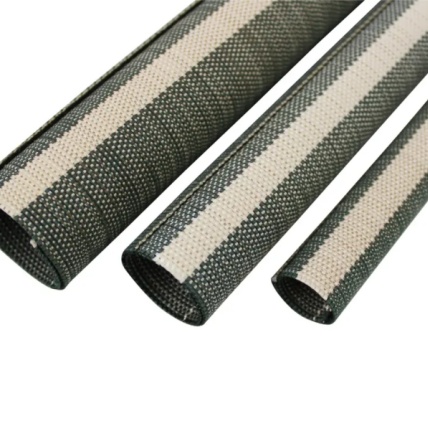
Option | Where it shines | Where it struggles |
Tape + zip ties | Fast, low-cost bundling | Residue, weak abrasion defense |
Split loom / conduit | Rugged edge protection | Bulk, lower flexibility |
Heat shrink | Clean ends, strain relief | Not reusable, slower changes |
Cable sleeve | Flexible protection and neat routing | Needs sizing and end finishing |
Tape and ties are cheap and easy for quick bundling. They help anchors and branch control in a pinch. Yet they do little against abrasion along long runs. Tape can trap heat and collect dust on surfaces. It may leave sticky residue during later service. Zip ties can cut jackets when overtightened. A cable sleeve provides continuous coverage along the bundle. It also looks cleaner and stays cleaner over time. Many teams sleeve the run, then tie only anchor points.
Split loom and conduit protect well in rough routing. They handle impacts and heavy edge contact in dirty areas. They also work when tools often hit the harness. The trade-off is bulk and stiffness in tight spaces. Bulk reduces packing density in compact harness paths. Stiff runs can fight motion and create new rub points. A cable sleeve stays flexible and routes more easily. It also supports cleaner branch breakouts and lighter builds. In racks, it can allow more airflow around bundles.
Heat shrink creates a tight finish after heating. It is great for end control and strain relief. Adhesive types can support sealing at joints and splices. But it locks shape and slows mid-run changes. A cable sleeve stays flexible and reusable for rework. It supports upgrades and quick access during service. Many teams pair both products. They sleeve the run, then shrink the ends to prevent fray. It also gives a clean stop point for inspection during later audits.
Note:Sleeving works best when routing and terminations are already solid.
Start from how you build and how you service. Expandable braid fits clean new builds and long trunks. Self-wrapping sleeves fit retrofits and frequent changes. Solid tubing fits simple, static runs and color coding. Split loom fits rugged paths and fast coverage. Ask two questions before you buy. Will the run change later, or stay fixed? Will it pass large connectors during install? Your answers guide the best sleeve type. This avoids paying for extra features you will not use.
Material choice sets real limits for a cable sleeve. PET fits many indoor systems and abrasion needs. Nylon often fits dynamic runs because it flexes easily. High-heat fibers fit hot zones near engines or inverters. Some sites need chemical resistance for oils or solvents. For EMI, shielding sleeves can help, yet grounding still matters. If you do not measure EMI risk, keep it simple. Define temperature, motion level, and exposure type. Then match the material to those site conditions.
Sizing mistakes erase benefits and create new wear zones. Use a simple routine for most bundles. First, measure the bundle outer diameter at the thickest point. Next, check the sleeve expansion range, not only nominal size. Then add length for bends, service loops, and branch breakouts. Finish both ends so it cannot creep during vibration. Expansion opens the weave and reduces coverage density. Plan for it when abrasion risk is high. Use heat shrink, clamps, or smooth ties for end control.
Many B2B delays come from missing documents, not weak parts. List required standards before requesting quotes. Buyers often need RoHS and REACH evidence for materials. Some programs require traceable lots and stable process controls. Other sectors may require flame and smoke limits. Ask for test reports and the methods used. Ask for change control rules and substitution policies. Document your selection reasons to support audits and approvals. Clear documentation reduces re-testing risk when programs scale across sites over time.
Tip:Use one checklist for every cable sleeve RFQ.
In offices, the biggest benefits are order and safety. Sleeving hides clutter and reduces tangles under desks. It keeps cords away from chair wheels and drawers. A cable sleeve bundles power and data into one run. This makes desk moves faster and reduces unplug mistakes. It also keeps walkways clearer in busy shared spaces. For IT teams, consistent setups greatly reduce support time. Sleeving keeps cables off the floor more often. This reduces dust and damage during daily cleaning overall.
In racks, clean routing improves service speed and airflow. Sleeving keeps runs neat during swaps and upgrades. Open-weave designs support airflow around dense bundles. This matters in high-power racks and tight trays. A cable sleeve supports clearer labeling on sections. Teams trace paths faster during outages. Plan separation first for power and signal runs. Then sleeve each run based on its risk level. Use shielding only when tests show EMI risk (needs verification). It also cuts ticket time.
In machines, abrasion and vibration drive many failures. Sleeving adds a buffer and reduces jacket wear. It also protects against tool strikes during maintenance. For dynamic zones, flexible materials reduce scuff during motion. In engine bays, high-heat sleeving may be required. A cable sleeve also improves harness consistency in production. Bundles stay together, so assembly errors drop. Inspection becomes easier because routing stays clean. Over time, it reduces rework and unplanned downtime. It also helps technicians spot wear before failures.
Outdoor systems face UV, rain, dirt, and temperature swings. Sleeving reduces exposure and slows jacket aging. It also reduces abrasion from grit and wind vibration. Remote sites may face rodent damage (needs verification). Reinforced sleeves can add defense there. Coastal zones add salt spray risk at terminations. Route runs to avoid water paths and sharp edges. Use grommets at pass-through points and finish ends carefully. Request UV and environmental test evidence, then schedule checks after storms and seasonal swings.
Sleeving often pays back through fewer wear-driven failures. Cable faults trigger downtime and long troubleshooting cycles. A cable sleeve reduces abrasion and snag damage along runs. Even small reductions matter in lines and fleets. It lowers replacement frequency for high-use cords. Fewer swaps mean fewer labor hours each year. It can reduce emergency spares and service callouts. Track faults and labor to show ROI to stakeholders. It supports tighter spare planning and fewer urgent purchases during unexpected outages.
Sleeving can reduce labor in build and service phases. During installation, it groups cables into one run. This simplifies routing, clamping, and visual checks. During maintenance, it improves traceability and access. Self-wrapping designs can speed mid-run changes. Expandable braid supports quick installs on new builds. A cable sleeve also reduces time spent untangling and rebuilding bundles. Teams can standardize layouts across projects. This lowers training time and reduces variation. If you track labor per unit, you can see the difference.
In many B2B installs, appearance signals build quality. Sleeving makes wiring look intentional and professional. It can support color coding for teams and clients. A cable sleeve can hide mixed cable colors in demos. It keeps routing consistent in client-facing panels. Cleaner layouts also help audits and walkthroughs. They reduce the “DIY look” that hurts trust. For integrators, neat wiring supports premium positioning. It also reduces complaints tied to cable presentation. It can align cable colors across product lines.
B2B buyers need predictable supply and clear specifications. Suppliers offer diameter ranges, cut lengths, and colors. Some add options for heat resistance or EMI control. When you source a cable sleeve, ask for test evidence. Ask for traceable lots and stable lead times. Confirm MOQ for custom sizes or colors early. Check substitution rules for raw materials and dyes. Packaging choices can reduce handling and scrap on lines. Agree on color, length, and labeling needs before any production starts.
Overstuffing opens the weave and increases friction at contact points. Oversized sleeves can bunch up and slide during vibration. Both cases create new rub zones. A cable sleeve should fit snugly but not strain. Measure the bundle at its thickest point. Use the expansion range, not only nominal size. Plan for future adds if the system changes often. Self-wrapping designs allow easier size adjustments. Correct sizing improves protection and makes inspections easier. Loose sleeves can also trap debris at bends.
Fraying often starts from rough cuts and weak end control. Use a hot knife for synthetic fibers when possible. In the field, tape the cut area before cutting. Finish ends soon after to stop unraveling. End finishing prevents sleeve creep during vibration. Use heat shrink, clamps, or smooth ties for retention. Avoid sharp ties that cut fibers. It keeps sleeves in place during service. Check ends after install, then retighten if needed. A quick end check prevents future sleeve creep.
Routing mistakes can defeat any protection layer. Sharp edges still cut over time, even through sleeving. Pinch points still crush bundles and shorten insulation life. Plan the path before you sleeve the run. Use grommets at pass-through points and guards at edges. Keep bend radius generous near connectors. Anchor runs so they cannot rub on moving parts. When you find wear, remove the contact point first. Small routing fixes often beat upgrades. Add guards and clips, then retest full motion.
Sleeving will not solve heat or EMI by itself. If bundles sit near hot surfaces, spacing matters most. If airflow is blocked, temperature still rises. Choose open weave designs when cooling matters. For EMI, shielding needs bonding and proper terminations. A shielding sleeve may fail without good grounding. Use testing to guide choices (needs verification). Use thermal checks near hotspots during commissioning. For EMI, verify bonding at both ends before changing materials. When issues persist, redesign routing and grounding first.
Cable sleeves reduce wear, improve order, and speed service. They also lower downtime and replacement costs across many systems.
Choose the right type, material, and size, then route cleanly and finish ends well. That is how you keep the benefits long term.
For buyers who need reliable sourcing, Dongguan Zhonghe Electronics Co., Ltd. offers braided cable sleeve options such as PET, nylon, high-heat, EMI shielding, and rodent-resistant designs. They also support customization and responsive technical service to help teams qualify faster.
A: A cable sleeve reduces abrasion, improves organization, and speeds maintenance.
A: Match cable sleeve type and material to heat, motion, and exposure, then size it to your bundle OD.
A: A cable sleeve offers continuous protection and cleaner routing, while tape can trap dirt and ties can cut if overtightened.
A: Cable sleeve cost varies by material, diameter, and features like high-heat or EMI shielding.
A: Cut cleanly, seal ends, and secure the cable sleeve using heat shrink or clamps to stop creep and unraveling.
