
- All
- Product Name
- Product Keyword
- Product Model
- Product Summary
- Product Description
- Multi Field Search
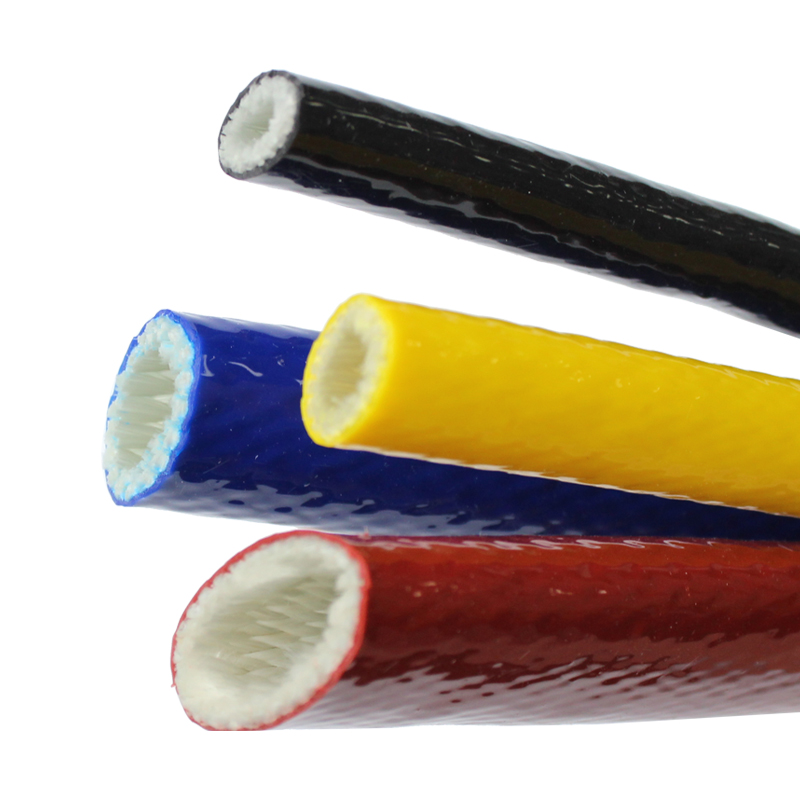
People ask “wire covering,” yet the answer changes fast. One word can mean insulation, a jacket, or added protection.
In this article, you’ll learn the correct terms and when to use each, including a cable sleeve for bundling and abrasion control. You’ll also get a simple checklist to help you request the right part.
If you mean one conductor, the covering is usually insulation. It sits directly on the metal conductor and prevents shorts and shock hazards. You will see it on hookup wire, appliance wire, and many harness leads. Insulation comes in many materials and ratings, and they are not interchangeable. PVC is common in many everyday applications, while higher-heat options exist for tougher environments. Pick insulation based on voltage, temperature, and flex needs, not just cost. If insulation fails, the system becomes unsafe very quickly, and it often fails without warning.
If you mean a cable, the outside covering is often called a jacket. A cable usually contains multiple insulated conductors grouped inside one outer layer. The jacket holds the structure together and protects it from handling damage, moisture, and dirt. Many people also call it a sheath, and both terms are used in specs. You will often see “outer jacket” or “cable sheath” in datasheets and RFQs. Common jacket materials include PVC, PE, and tougher blends for abrasion zones. A tougher jacket helps during pulling and rough routing, while a softer jacket can help in tight bends and motion paths.
Armor is a protective metal layer used in demanding installations. It may be steel tape, steel wire, or other metal constructions, depending on the application. You often see it in industrial power, mining routes, and buried installations. Armor helps resist crush, impact, and certain rodent threats in the field. It does not replace insulation, and it does not eliminate termination risks. You still need correct glands, sealing, and proper strain relief. Armor adds weight and reduces flexibility, so it fits only when the risk level justifies it.
A cable sleeve is usually an added layer outside the cable jacket. It is not the primary electrical insulation layer, and it should not be treated as one. People use it to bundle cables, reduce abrasion, and keep routing tidy. You will see braided sleeves, self-wrapping sleeves, and split styles in real builds. In racks and machines, it reduces rubbing on edges and lowers snagging during service. Many sleeves focus on abrasion and flex, using PET or nylon fibers. Other sleeves add special functions, such as EMI shielding or high-heat resistance. It is often the simplest upgrade when the jacket needs extra help.
Sometimes people mean conduit when they say “wire covering.” Conduit is a rigid or flexible tube used to route and protect wires or cables. It is common in building wiring and industrial installations where physical protection is required. Split loom is another common “covering” term, especially in automotive work. It installs quickly and protects against edge contact in rough routing. Wraps and tapes may also be called coverings in casual speech. They help bundling and basic organization, yet they offer limited abrasion defense over time. If you clarify the job first, the right term becomes much easier.
Tip: Ask “single wire or cable assembly” before naming the covering.
Insulation protects against electrical contact and short circuits. It separates the conductor from other conductors and from chassis ground. A jacket protects a cable assembly from moisture, dirt, and mechanical handling damage. It also keeps the cable structure stable during pulling and bending. A cable sleeve adds protection outside the jacket, and it is great for abrasion, snagging, and cable management needs. In harsh routes, armor adds crush and impact resistance when risk is extreme. Each layer solves a different problem, so we match layers to threats instead of guessing.
It helps to picture the stack from inside to outside. At the center is the conductor, then insulation covers it as the electrical barrier. A cable may also include fillers, shields, or drain wires, depending on its design. Next comes the outer jacket, which covers the entire cable structure. After that, you may add an external covering for routing protection and organization. This is where conduit, loom, or a cable sleeve usually appears. In many projects, the sleeve is optional, yet it improves reliability and serviceability. In harsh routing, it can be the layer that prevents early jacket wear.
Wire insulation often uses PVC, XLPE, or other engineered polymers. Cable jackets often use PVC, PE, TPU-like blends, or specialty materials for harsh exposure. Each option balances flexibility, toughness, heat performance, and chemical resistance. You should confirm ratings for your voltage and temperature needs before finalizing specs. A cable sleeve often uses PET for cost control and abrasion resistance. Nylon sleeves are common where flex is frequent and bending radius is tight. High-heat sleeves may use aramid fibers for hot zones. Shielding sleeves may use metalized fibers for EMI control, but bonding still matters in real systems.
Layer name | What it is | Main purpose | Typical materials |
Insulation | Cover on a single conductor | Electrical safety and separation | PVC, XLPE, nylon (varies) |
Jacket / sheath | Outer cover on a cable | Environmental and mechanical protection | PVC, PE, TPU-type blends |
Cable sleeve | Added outer layer | Abrasion, bundling, serviceability | PET, nylon, aramid, composites |
Note: A cable sleeve helps protection, but it is not primary insulation.
Most wiring risk starts at the insulation layer. If it gets nicked, it may short, arc, or trip protection devices. In higher-power systems, it can also raise fire risk and downtime. To keep it practical, think in three checks:
● Confirm insulation rating for voltage and temperature.
● Confirm jacket rating for the installation route.
● Confirm extra protection needs, such as conduit, when codes require it.
In regulated sectors, documents matter as much as materials, so correct terms and traceable specs speed approvals and reduce disputes.
Durability failures usually begin where cables rub or bend. Heat accelerates polymer aging and weakens jackets over time. Moisture and grime can enter weak terminations and drive corrosion. Abrasion can cut a jacket slowly in vibration zones, even when it looks fine outside. To reduce this risk, we usually combine route control plus added protection:
● Add clips and grommets at contact points.
● Reduce sharp edges and tight bends.
● Use a cable sleeve in high-rub areas, so it takes wear instead of the jacket.
Sleeving does not replace good routing, but it adds a buffer when contact happens.
Wiring that looks messy costs time. Techs spend longer tracing lines, and they can unplug the wrong cable under pressure. Good coverings reduce these issues by making routes predictable:
● Bundles stay grouped, so labels stay readable.
● Snag points drop during upgrades and swaps.
● Harnesses resist tool scuffs during service work.
If you track labor hours per repair, you can often prove the value quickly, since small time savings add up across many tickets.
If you mean one wire, focus on insulation first and confirm its ratings. Check voltage, temperature class, and flex requirements for your use case. Then check chemical exposure, including oils or cleaning agents near the wire path. If the wire moves often, choose insulation designed for flex life and repeated bending. If routing crosses sharp edges, add protection using grommets, clips, or edge guards. You can also add a short cable sleeve section in high-wear spots. Heat shrink can reinforce strain relief near connectors, but it should not replace proper insulation. Insulation is the layer that keeps the system electrically safe.
If you mean a multi-core cable, the jacket is usually the key layer. Choose jacket material based on abrasion, UV exposure, and moisture risk. Confirm bend radius requirements if the cable routes through tight paths or moving sections. Consider conduit or armor only when crush risk is real and verified. A cable sleeve can still add value in harsh routing because it reduces abrasion at brackets and frames. It also protects the jacket during pulling, repositioning, and service work. In many cases, a sleeve plus better clips solves most wear issues. It can also be cheaper than redesigning the cable construction.
If you mean bundling, you are usually looking for cable management and abrasion control. This is where a cable sleeve is often the best answer for a fast improvement. It groups multiple cables into one tidy run, and it improves serviceability during upgrades. For retrofits, self-wrapping sleeves avoid disconnecting ends and help mid-run access. For new builds, expandable braided sleeves give a clean, professional finish. For rough paths, split loom may offer stronger edge protection. Choose based on access needs, motion levels, and the appearance you want. Then size it correctly, or it can creep and bunch over time.
Buyers often need a simple decision path to avoid RFQ mistakes. Start by defining what you mean by “covering,” then list your threats: heat, abrasion, moisture, chemicals, and vibration. Confirm movement level and bend radius needs before finalizing materials. Identify compliance and documentation needs early, especially for regulated sectors. Decide your installation method and service access expectations, since they affect sleeve type choices. This workflow reduces wrong quotes, reduces redesigns, and speeds approvals across teams.
Your goal | Best term to use | Often paired product |
Electrical safety on a single wire | Insulation | Heat shrink for strain relief |
Protect a finished cable outdoors | Jacket / sheath | Conduit or UV-rated sleeving |
Bundle and protect multiple cables | Cable sleeve | Cable ties or clamps at anchors |
Crush and impact resistance | Armor | Proper glands and sealed terminations |
Note: Precise terms reduce wrong quotes and long approval cycles.
People often say “coating” when they actually mean insulation. “Coating” sounds informal and can cause confusion in RFQs and purchasing. Insulation is the correct technical term for the dielectric layer on a conductor. It is specified by voltage rating, temperature rating, and material performance. In some contexts, “coating” may describe thin protective finishes used on special wires. Magnet wire, for example, uses enamel coatings for windings, which differs from typical hookup wire insulation. Ask the application before accepting the term, especially in procurement. Clear language helps avoid mismatched parts and failed qualifications.
Sheath and jacket usually refer to the same outer cable layer. The difference is often regional or based on industry style guides. Some standards and datasheets prefer “sheath,” while many North American specs prefer “jacket.” To avoid misunderstandings, specify “outer jacket” or “outer sheath” in documents. Then specify the material, thickness, and exposure requirements you need. Define risks like oil exposure, UV exposure, and abrasion zones. If you only say “sheath,” suppliers may assume a generic option. Precise language speeds sourcing and reduces back-and-forth during approvals.
Heat shrink and a cable sleeve solve different problems in practice. Heat shrink tightens after heating and becomes a fixed, tight layer. It is excellent for end finishing, strain relief, and controlled transitions. Adhesive-lined heat shrink can also support sealing when moisture is a real concern. A cable sleeve stays flexible and often remains reusable for service work. It supports bundling, abrasion protection, and clean routing in cabinets and harnesses. Many builds use both: sleeve for the run and heat shrink for the ends. This combination gives protection plus a clean, durable finish.
Tip: Specify “cable sleeve for bundling” and “heat shrink for ends.”
The “covering on wires” is usually insulation, but a cable may also have a jacket or sheath. In harsh routes, armor adds crush protection, and a cable sleeve adds bundling and abrasion control.
If you name the right layer, you get the right quote and fewer delays. For buyers who need reliable sleeving options, Dongguan Zhonghe Electronics Co., Ltd. provides braided cable sleeve materials and customization support to fit real installation needs.
A: It’s usually insulation, but cables may also have a jacket/sheath, and added protection like a cable sleeve.
A: A cable sleeve bundles cables, reduces abrasion, and makes routing and service easier.
A: Use jacket for basic exposure, conduit for code-driven physical protection, and a cable sleeve for bundling and abrasion control.
A: No. Heat shrink finishes ends and strain relief; a cable sleeve protects long runs and stays service-friendly.
A: Heat, tight bends, and rubbing can age insulation or cut jackets; add clips, grommets, or a cable sleeve in wear zones.
