- All
- Product Name
- Product Keyword
- Product Model
- Product Summary
- Product Description
- Multi Field Search
Views: 0 Author: Site Editor Publish Time: 2026-07-09 Origin: Site
Unplanned electrical outages are frequently traced back to poorly insulated or mechanically compromised cable splices. Transitioning from heat shrink to cold shrink eliminates heat-related installation risks. It shifts the critical decision to material selection instead. You must evaluate when and why to specify an EPDM-based solution over alternatives for industrial, utility, and telecommunication applications. Splice failures cause massive downtime and safety hazards across modern grid infrastructure. While not universally applicable across all extreme temperature zones, EPDM offers unmatched mechanical toughness. It delivers superior moisture resistance for standardized, heavy-duty cable joint protection. In this guide, you will explore technical specifications, failure risk mitigation, and proven deployment contexts. We will review how to align shrink ratios with specific field conditions to ensure lasting infrastructure reliability.
Splice failures lead to high-cost localized downtime across industrial grids. We often see moisture ingress, physical abrasion, or UV degradation cause these catastrophic faults over time. When a splice degrades, the resulting ground fault can damage expensive downstream equipment. Field technicians must isolate the failure, dig up the trench, and rebuild the connection. This process drains operational budgets quickly. Preventing these failures begins with understanding the environmental stress factors acting on the joint.
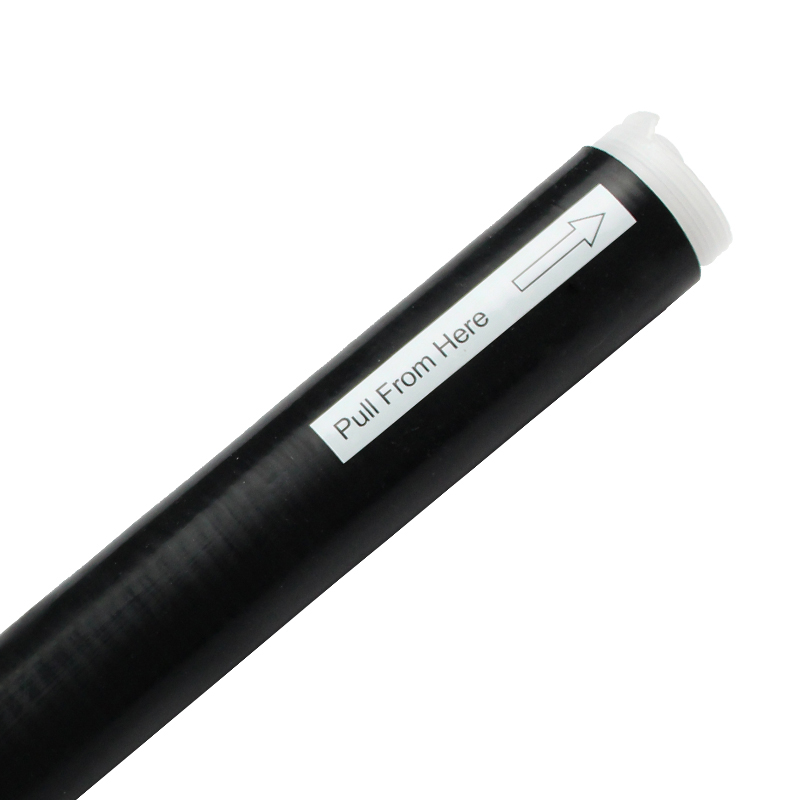
Heat-applied solutions demand strict safety permits and precise technician skill. A worker using a torch in a confined trench faces significant safety hazards. Furthermore, uneven heat application leaves microscopic weak points in the polymer. Conversely, cold shrink technology removes human error regarding even heat distribution. You simply position the unit and unwind the inner support core. The rubber naturally collapses onto the cable.
Selecting the correct elastomer becomes the final barrier between continuous operation and severe ground faults. Engineers know the chosen rubber compound dictates the long-term success of the installation. The material must withstand fluctuating soil pressures, thermal cycling, and chemical exposure. Modern infrastructure relies heavily on the compound's inherent ability to maintain constant radial pressure. This pressure must last for decades underground or on exposed utility poles to prevent water migration.
A quality epdm cold shrink tube delivers excellent dielectric strength for demanding grid projects. Typical KV ratings span from 1kV up to 35kV. This makes the material highly suitable for most standard low to medium voltage applications. The thick elastomeric wall provides a robust insulation barrier. It safely contains electrical fields and prevents tracking along the cable jacket.
Mechanical resilience stands out as a primary engineering benefit. EPDM boasts remarkable tear strength and high puncture resistance. These physical traits prove critical during aggressive backfilling in trench applications. Workers often dump rocky soil directly over the splice. Weaker materials might easily tear or suffer microscopic punctures under this weight. EPDM resists sharp impacts, ensuring the underlying dielectric barrier remains perfectly intact.
Environmental endurance further validates its broad usage in the utility sector. It demonstrates excellent baseline resistance to UV rays, ozone, and harsh weather conditions. This secures its position as a highly reliable outdoor epdm cold shrink solution for aerial lines. Continuous exposure to direct sunlight will not cause the material to rapidly dry out or crack.
We must also transparently acknowledge its chemical limitations. EPDM is less resilient to hydrocarbon solvents than certain specialty polymers. It typically maxes out around 90°C to 130°C depending on the specific polymer blend. Fluoropolymers or advanced silicones handle extreme high temperatures much better. You should carefully evaluate the operating environment before finalizing the specification.
Engineers frequently debate between EPDM and silicone for splice protection. We must compare thermal tolerance first to establish baselines. Silicone handles high-heat and extreme-cold flexibility exceptionally well. It remains pliable in freezing arctic conditions. EPDM operates within a narrower, yet fully standard-compliant, temperature band. It performs flawlessly for standard utility climates but may stiffen in extreme sub-zero environments.
Mechanical wear heavily favors the EPDM compound. You will quickly notice EPDM's advantage in high-friction environments. Wind movement, vibration, and direct abrasion easily damage softer materials over time. A standard silicone cold shrink tube might tear under heavy physical stress or animal interactions. EPDM withstands these physical attacks due to its denser cross-linked structure.
Next, contrast moisture and chemical defense between the two materials. EPDM generally offers tighter moisture sealing for submerged or directly buried joints. It shows a significantly lower water vapor transmission rate. Water molecules struggle to permeate the dense EPDM barrier. Silicone, while highly water-repellent on the surface, can sometimes allow higher vapor transmission over decades of deep submersion.
When evaluating the cost-to-lifecycle ratio, frame the upfront cost differences against the expected lifespan. You gain robust longevity in varying installation environments without overspending. Silicone often carries a premium price tag due to its specialized thermal properties. Specifying EPDM for standard mechanical and burial applications optimizes the project budget while maintaining rigorous safety standards.
| Performance Feature | EPDM Elastomer | Silicone Elastomer |
|---|---|---|
| Thermal Range | -40°C to 130°C (Typical) | -60°C to 200°C+ (Typical) |
| Tear Strength | Exceptionally High | Moderate to Low |
| Moisture Vapor Sealing | Superior (Low Transmission) | Good (Higher Transmission) |
| Abrasion Resistance | Excellent for Direct Burial | Prone to Friction Damage |
Direct burial applications rely heavily on the mechanical toughness of EPDM. Underground environments present harsh realities for cable splices. Ground shifting, frost heave, and heavy traffic above create dynamic physical stress. EPDM actively prevents sharp rocks and heavy soil pressure from compromising the underlying seal. It acts as a rugged shock absorber. The material maintains structural integrity even when surrounding soil shifts violently.
Overhead and exposed aerial lines benefit similarly from this resilient chemistry. Utility crews depend on EPDM’s UV and ozone resistance to prevent catastrophic cracking. High-altitude ozone levels rapidly degrade inferior rubber compounds. Aerial cables also swing in heavy winds, causing friction at connection points. EPDM manages this constant swaying motion without losing its grip on the cable jacket.
Submersible applications demonstrate its most vital performance capability. Coastal flooding, high water tables, and deep manholes submerge splices frequently. A cable joint epdm cold shrink installation uses continuous active radial pressure combined with mastic seals. This tight combination achieves a verifiable IP68-level of waterproofing. Active pressure means the rubber constantly attempts to shrink further. It aggressively hugs the cable as temperatures fluctuate, guaranteeing water cannot migrate down the protective jacket.
Implementation realities dictate careful inventory and logistics management. You must address shelf-life considerations immediately during procurement. EPDM tubes arrive expanded on a rigid plastic spiral core. They possess a finite shelf life, typically spanning one to three years depending on factory conditions. Material fatigue eventually occurs within the stretched polymer chains. Memory loss will severely impact the final recovered shrink ratio if you store them too long in hot warehouses.
Installation tolerances demand precise engineering attention. EPDM exhibits a slightly less aggressive shrink ratio than highly elastic silicone. You must ensure tighter sizing matches to the underlying cable joint. If you select a tube sized too large, it will not generate enough active radial pressure upon collapse. This lack of pressure immediately compromises the waterproof barrier. Always consult the manufacturer's exact dimensional range charts.
Operator execution dictates the ultimate success of the joint. The rip-core removal process requires steady hands and patience. Rushing the unwinding process often leads to uneven seating over the splice connector.
Standard compliance sits at the top of any serious procurement checklist. You must always verify the product against IEEE, IEC, or ANSI testing standards for splice insulation. Uncertified tubing introduces unacceptable liability into critical grid infrastructure. Request independent lab test reports. Look specifically for successful passes on AC withstand voltage and long-term water immersion tests.
Supplier transparency separates premium vendors from budget options. Engineers need precise dimensional data to make safe approvals. Look for clear data sheets detailing the resting diameter, maximum expanded diameter, and the fully recovered wall thickness. If a supplier obscures their shrink ratio limitations, eliminate them from your vendor pool immediately. Accurate tolerances prevent costly field failures.
Evaluate system completeness closely before placing bulk orders. A bare cold shrink tube rarely provides a complete solution on its own. Check if the supplier provides integrated mastic seals, butyl tape, and conductive breakout boots. A complete, factory-tested jointing kit guarantees chemical and mechanical compatibility across all sealing components. Mixing and matching different brands of tapes and tubes often voids manufacturer warranties.
EPDM cold shrink tubes provide a highly reliable, mechanically robust seal for the vast majority of standard low-to-medium voltage cable applications. They eliminate the dangers of open flames in the trench while offering superior puncture resistance. By maintaining constant radial pressure, they secure the splice against severe water ingress and shifting soil dynamics. Material selection ultimately dictates the lifespan of your grid connections.
Default to EPDM for abrasive, directly buried, or highly weathered outdoor environments. The inherent ruggedness of the elastomer pays dividends during backfilling and heavy wind exposure. Pivot to silicone solutions only when extreme temperature flexibility or specific harsh chemical exposures strictly dictate the need. Over-specifying silicone for standard utility trenches often wastes valuable project capital.
Consult your engineering team immediately to audit your current failure logs. Identify if mechanical abrasion or water ingress drives your recent splice outages. Request specific EPDM material data sheets from vetted manufacturers to compare against your required operational tolerances. Aligning your procurement strategy with precise environmental realities ensures maximum grid uptime.
A: No. EPDM cold shrink relies purely on the mechanical memory of the expanded rubber. Once the technician pulls the inner plastic support core, the elastomer naturally collapses. It forcefully grips the cable jacket without requiring any applied heat or specialized tools.
A: Yes. Quality EPDM compounds feature built-in UV inhibitors and excellent natural ozone resistance. These properties allow the material to endure decades of direct sunlight in outdoor aerial deployments without cracking, drying out, or losing radial pressure.
A: All cold shrink products expanded on cores experience material fatigue over time. Silicone generally retains its mechanical memory slightly longer. EPDM typically carries a strict shelf life of one to three years. Storing EPDM in cool, climate-controlled environments helps maximize this timeframe.
A: Sizing at the absolute minimum severely limits the active radial pressure exerted by the rubber. Insufficient pressure compromises the waterproof integrity. Water may slowly migrate under the tube. Always select a size where the cable diameter sits comfortably near the middle of the specified shrink range.