
- All
- Product Name
- Product Keyword
- Product Model
- Product Summary
- Product Description
- Multi Field Search
Views: 0 Author: Site Editor Publish Time: 2025-11-01 Origin: Site
Ever wonder how professionals achieve that perfect, sleek finish on electrical wires? The secret lies in heat shrink tubing, a versatile tool that insulates and protects. This article explores its importance and broad applications, from electrical insulation to environmental protection. In this post, you'll learn how to choose, apply, and avoid common mistakes with Open self-winding tubs.
Heat shrink tubing is a type of flexible plastic sleeve designed to protect, insulate, and organize wires and cables. It’s made from polymer materials that can contract when heated, creating a tight seal around the object it covers. Common materials include polyolefin and polyvinyl chloride (PVC). Polyolefin is popular because it offers excellent durability, flexibility, and chemical resistance. PVC, on the other hand, is more affordable and provides good chemical and flame resistance. The choice of material depends on the specific application, environmental conditions, and desired properties such as flexibility or environmental resistance.
The core principle behind heat shrink tubing is its ability to contract when heated. Before heating, the tubing is in an expanded state, allowing it to easily slide over wires, connectors, or other components. Once in place, applying heat causes the polymer molecules to relax and contract, shrinking the tubing to a predetermined size. This process creates a snug, secure fit that insulates, protects against moisture, chemicals, and physical damage, and provides strain relief.
The shrinking occurs uniformly from all sides, thanks to the symmetrical design of the tubing. The process is quick—usually taking just a few seconds to a minute—making it ideal for both professional and DIY projects. The final size after shrinking depends on the tubing’s specified shrink ratio, such as 2:1 or 3:1, which indicates how much the tubing will reduce in diameter when heated.
Selecting the appropriate heat shrink tubing begins with understanding shrink ratios. The ratio indicates how much the tubing will reduce in diameter when heated. Common ratios include 2:1, 3:1, and 4:1. For example, a 2:1 ratio means the tubing's diameter halves after shrinking, while a 3:1 ratio reduces it to one-third. This ratio helps determine how much the tubing will shrink relative to its original size, which is crucial for ensuring a snug fit over wires, connectors, or other components.
When choosing a shrink ratio, consider the size of the object you are covering. Larger objects or those with irregular shapes often require higher ratios like 4:1 to ensure complete coverage and a tight seal. Conversely, smaller or standard-sized wires might only need a 2:1 ratio. Keep in mind that higher ratios typically involve thicker walls, which can add to the durability but may also require more precise application techniques.
The next step involves choosing the right diameter and length of the tubing. Before heating, the tubing's expanded diameter should be slightly larger than the object it covers. This allows it to slide easily over the item without stretching or tearing. To find the correct size, measure the diameter of the wire, connector, or component. Then, select tubing with an expanded diameter that’s about 20-30% larger. For example, if your wire's diameter is 1/4 inch, opt for tubing with an expanded diameter of around 3/8 inch, considering the shrink ratio.
Length is equally important. Always cut the tubing a little longer than the area you want to cover—about 1/2 inch extra on each side. This ensures complete coverage, especially over joints or splices, and helps prevent unshrunk edges from exposing wires or connections.
Material choice significantly impacts the performance and suitability of heat shrink tubing. The two most common materials are polyolefin and PVC.
Polyolefin is popular because of its excellent flexibility, durability, and chemical resistance. It shrinks uniformly, maintains its shape after shrinking, and withstands high temperatures (up to 125°C or 257°F). Polyolefin tubing is ideal for most electrical applications, especially where flexibility and environmental resistance matter.
PVC, on the other hand, tends to be more affordable and offers good chemical and flame resistance. It’s less flexible than polyolefin and may become brittle over time or under UV exposure. PVC is suitable for indoor use or applications requiring flame retardancy but might not perform well in high-temperature or outdoor environments.
Choosing between these materials depends on your specific needs. For outdoor or high-temperature environments, polyolefin provides better performance. For general indoor use, PVC can be a cost-effective choice.
Using heat shrink tubing effectively involves a few straightforward steps. First, select the right size. Measure the diameter of the wire or component you want to cover. Choose tubing with an expanded diameter slightly larger than this measurement. Next, cut the tubing to a length that extends beyond the area you want to insulate—about half an inch longer on each side. This ensures complete coverage and a tight seal.
Slide the tubing over the wire, connector, or component. Make sure it’s centered over the area needing protection. Once in position, apply heat evenly. Use a heat gun, hairdryer on high, or a small torch. Hold the heat source about 2-3 inches away from the tubing. Move it in slow, circular motions to distribute heat uniformly. Watch as the tubing begins to shrink and conform tightly around the object.
Keep an eye on the process. Do not overheat, which can cause the tubing to melt or become brittle. Once the tubing has shrunk evenly and snugly, turn off the heat source. Allow the tubing to cool naturally for about five minutes. During cooling, it will harden into a durable, protective layer.
Finally, inspect the seal. Ensure there are no gaps or exposed areas. The tubing should be tight, smooth, and fully conforming to the shape of the wire or component. This process provides a secure, insulated, and protected finish for your project.
To achieve professional results, gather the right tools:
● Heat source: A heat gun is ideal for even heating. Hairdryers work in a pinch but may not reach sufficient temperatures.
● Measuring tools: A ruler or caliper ensures accurate sizing.
● Scissors or utility knife: For cutting tubing to the desired length.
● Wire gauge: To measure wire diameter if needed.
● Protective gear: Safety glasses and heat-resistant gloves protect against burns and splatters.
Using quality tools helps ensure safety, precision, and a clean finish. For electrical projects, specialized hot-air heat guns with adjustable temperature settings give better control. For larger or outdoor applications, portable butane heat guns or heat shrink ovens can be used.
Safety is critical when working with heat sources. Always wear safety glasses to shield your eyes from hot debris or splatters. Use heat-resistant gloves to protect your hands from burns. Keep a safe distance—about 2-3 inches—from the tubing when applying heat. Move the heat source constantly to prevent localized overheating, which can damage the tubing or underlying wires.
Ensure your workspace is well-ventilated. Some plastics release fumes when heated, so proper airflow reduces inhalation risks. Never point a heat gun or torch at yourself or others. Keep flammable materials away from the working area.
If using a torch, exercise extra caution. Use a flame shield or stand to prevent accidental fires. Always follow manufacturer instructions for your specific heat shrink tubing, especially regarding the recommended shrinking temperature. Turn off the heat source immediately once the tubing has shrunk properly.
By adhering to these safety tips, you can perform heat shrinking tasks efficiently and safely, achieving durable, professional results every time.
Heat shrink tubing is a go-to solution for electrical insulation and wire splicing. It provides a reliable barrier that prevents short circuits caused by exposed conductors. When covering splices or connections, slide the tubing over the joint before applying heat. As it shrinks, it tightly seals around the wire, creating a waterproof, dustproof barrier. This not only improves safety but also extends the lifespan of electrical components.
For splicing, heat shrink tubing ensures a secure, insulated connection. It minimizes the risk of corrosion and mechanical damage, especially in outdoor or harsh environments. When selecting tubing for electrical work, consider the diameter—choose one slightly larger than the wire or connector to allow easy sliding and a snug fit after shrinking.
Keeping multiple wires organized is essential in both professional and DIY settings. Heat shrink tubing simplifies cable management by bundling several wires into a neat, compact group. To do this, gather the wires together, then slide the appropriate-sized tubing over the bundle. Applying heat causes the tubing to contract uniformly, holding all wires tightly in place.
Color-coded tubing helps with identification and troubleshooting. For example, red for power lines, blue for data, and black for ground. This visual organization speeds up repairs and reduces errors. Additionally, using heat shrink for bundling reduces clutter, prevents tangling, and makes maintenance easier.
Heat shrink tubing offers excellent protection against environmental factors. It shields wires and connections from water, dust, chemicals, and UV rays. This makes it ideal for outdoor installations, marine applications, or industrial environments where exposure to moisture and chemicals is common.
When properly applied, the tubing forms a waterproof seal around the protected area. This prevents corrosion, short circuits, and damage caused by environmental elements. For outdoor use, select tubing made from durable materials like polyolefin, which resist UV degradation and chemical exposure.
In waterproofing applications, ensure the tubing is slightly oversized to allow full coverage of connectors, splices, or exposed wiring. After shrinking, it creates a tight, protective barrier that maintains insulation integrity even in challenging conditions.
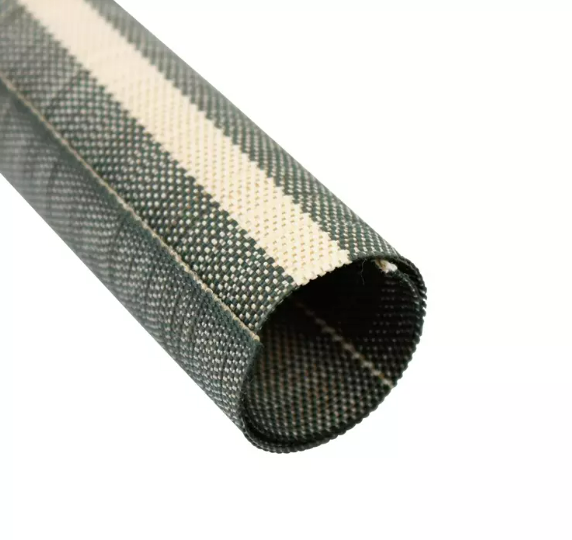
Heat shrink tubing is a handy tool for quick, effective repairs on wires and cables. When a wire or connection gets damaged, you can use heat shrink to restore insulation and protect against further issues. First, identify the damaged area. Cut a piece of tubing slightly longer than the damaged section. Slide it over the wire, making sure it covers the entire repair zone. Use a heat gun or butane torch to evenly heat the tubing. As it shrinks, it forms a tight seal around the wire, covering the damage. This process not only insulates but also provides strain relief, reducing stress on the repair point. Once cooled, inspect the seal—there should be no gaps or exposed wire. Proper application ensures a durable, professional-looking fix that extends the lifespan of your wiring.
Color coding with heat shrink tubing simplifies organization and troubleshooting. Different colors can represent various functions or circuits—red for power, black for ground, blue for data, etc. To implement this, select tubing in colors that match your labeling system. Slide the tubing over wires or components before shrinking. Use a heat gun to shrink the tubing, ensuring a snug fit. The tight seal not only protects but also makes identification easier, especially in complex wiring setups. For added clarity, you can write labels or symbols with a permanent marker on the tubing before shrinking. This method speeds up maintenance, reduces errors, and enhances safety in professional or DIY projects.
Achieving long-lasting protection with heat shrink tubing involves proper application and material choice. Always select tubing compatible with environmental conditions—polyolefin for outdoor or high-temperature use, PVC for indoor environments. Before shrinking, ensure the tubing fits snugly over the object; a slightly larger diameter helps ease installation. When applying heat, move the gun constantly to prevent hot spots that can damage the tubing or underlying wires. Allow the tubing to cool naturally—rushing this step can cause warping or brittle spots. For critical applications, consider using tubing with adhesive lining, which creates a waterproof, airtight seal. Regular inspection of heat-shrunk areas helps catch and repair any wear or damage early, extending the lifespan of your wiring or components.
One of the most common mistakes when using heat shrink tubing is overheating it. Applying too much heat or holding the heat source in one spot for too long can cause several issues. Excessive heat can melt the tubing, leading to deformation or even burning through the material. This results in gaps, weak spots, or complete failure of the insulation. Overheating can also damage the underlying wires or components, compromising their integrity and safety.
To prevent this, always keep the heat source moving in a steady, circular motion. Maintain a safe distance—about 2-3 inches—from the tubing. Use a temperature-controlled heat gun if possible, and follow the manufacturer’s recommended shrink temperature, usually between 90°C and 120°C. Remember, less is more; it’s better to apply heat gradually and check the shrinkage frequently. If the tubing starts to bubble or discolor, it’s a sign you’ve applied too much heat.
Selecting an incorrect size or material for your heat shrink tubing can lead to poor results. Using tubing that's too small won’t allow it to slide over the wire or connection easily, and it might not shrink tightly around the object. Conversely, tubing that's too large may not shrink enough to form a secure seal, leaving gaps that expose wires or connections.
Material choice is equally important. Polyolefin tubing offers flexibility, durability, and high-temperature resistance, making it suitable for most electrical applications. PVC tubing, while cheaper, is less flexible and may become brittle over time, especially outdoors or under UV exposure. Using the wrong material can result in reduced protection, shortened lifespan, or even safety hazards.
Always verify the tubing’s specifications—shrink ratio, temperature rating, and environmental resistance—before purchase. Measure your wires or components carefully to select the right diameter and material. When in doubt, choose a slightly larger size, as it can be shrunk down to fit tightly after heating.
Even with the right size and material, improper application can cause problems. Common errors include not centering the tubing, uneven heating, or not allowing it to cool properly. If the tubing isn’t centered, the seal might be weak at the edges, exposing the wire. Uneven heating can cause partial shrinkage, leaving some areas loose or unsealed. Rushing the cooling process might lead to warping or cracking.
To avoid these issues, always measure and cut the tubing accurately. Slide it into position, ensuring it covers the entire area needing protection. When applying heat, move the gun steadily around the tubing, maintaining a consistent distance. Rotate the wire or component to ensure even shrinkage on all sides. After shrinking, let the tubing cool naturally for at least five minutes before handling or applying stress.
Proper technique ensures a tight, uniform seal, maximizing the durability and effectiveness of the insulation. Practice makes perfect—taking your time during application results in professional, long-lasting protection for your wires and components.
Heat shrink tubing is a versatile tool for protecting and organizing wires, providing insulation and environmental resistance. Its shrinking process ensures a snug fit, making it essential for electrical insulation, cable management, and waterproofing. Selecting the right size, material, and applying it correctly are crucial for optimal results. Zhonghe offers high-quality heat shrink tubing that enhances durability and safety in various applications, providing lasting value.
A: An Open Self-winding Tub is a type of heat shrink tubing that provides easy installation over wires and cables. Its design allows it to be wrapped around objects without needing to slide over them, making it ideal for quick repairs and applications where sliding is challenging.
A: To use an Open Self-winding Tub, simply wrap it around the wire or cable you want to insulate. Once in place, apply heat evenly using a heat gun or similar tool. The tubing will shrink and form a tight seal, providing reliable insulation and protection.
A: An Open Self-winding Tub is beneficial for applications where sliding traditional tubing over wires is difficult or impossible. Its design allows for easy wrapping and shrinking, making it ideal for repairs and complex installations.
A: The cost of an Open Self-winding Tub varies based on material, size, and shrink ratio. Generally, it is competitively priced compared to traditional heat shrink tubing, offering convenience and ease of use without significantly higher costs.
A: Yes, an Open Self-winding Tub can be used for outdoor applications, especially if made from durable materials like polyolefin. It provides excellent environmental protection, shielding wires from moisture, UV rays, and chemicals.


