
- All
- Product Name
- Product Keyword
- Product Model
- Product Summary
- Product Description
- Multi Field Search
Views: 0 Author: Site Editor Publish Time: 2025-11-08 Origin: Site
Split Flexible Corrugated Pipe improves cable safety and organization. It protects against abrasion, moisture, and chemicals. In this guide, you will learn installation steps, maintenance tips, and best practices to keep electrical systems safe and efficient.
A Split Flexible Corrugated Pipe is a tubular conduit designed to protect electrical and communication cables. It features a slit along its length, allowing it to wrap around existing cable bundles without disconnecting them. These pipes are typically made of durable materials like PVC or polyamide, offering flexibility while maintaining structural integrity. Compared to rigid conduits, they adapt to complex routing paths and reduce the risk of damage to cables.
The primary benefits include rapid installation, resistance to environmental factors, and long-term protection. It prevents abrasion, chemical corrosion, and UV damage, which are common causes of cable failure. Additionally, its flexibility allows for easier bends and turns in tight spaces. Facilities that implement these conduits see a reduction in cable replacement frequency and maintenance overhead.
Split Flexible Corrugated Pipe is widely used in residential wiring, commercial networks, and industrial automation systems. It supports heavy-duty machinery, office networks, and outdoor cable protection. Specialized applications include integrating with cable trays, junction boxes, and high-density wiring setups. Its adaptability ensures consistent protection across diverse environments.
Material selection plays a crucial role in ensuring both the durability and flexibility of split flexible corrugated pipes. PVC is lightweight, cost-effective, and easy to handle, making it suitable for standard residential or light commercial installations. Polyamide, on the other hand, provides superior mechanical resistance, ideal for industrial environments where cables face higher stress or abrasion. Facilities exposed to chemicals, UV light, or fluctuating temperatures may benefit from specialty fire-retardant or chemical-resistant variants. Understanding the material properties helps in choosing a pipe that delivers long-term reliability and minimizes maintenance costs under demanding operational conditions.
Choosing the correct size and diameter for split flexible corrugated pipes is essential to protect cable bundles effectively. Oversized conduits can create unnecessary space and reduce the stability of the cables, while undersized conduits may compress the cables, causing strain or heat buildup. Accurate measurement of cable bundles before purchasing and installation ensures optimal fit and protection. Facilities should consider both current and potential future cable expansions to prevent premature replacement. Matching the conduit size to the application improves safety, enhances airflow around cables, and prolongs the life of the wiring system.
Split flexible corrugated pipes must endure diverse environmental conditions, including temperature fluctuations, moisture exposure, and UV radiation. Selecting pipes with the appropriate fire-retardant and chemical-resistant properties enhances compliance with safety standards and protects electrical systems from damage. For outdoor or industrial installations, high-performance materials can significantly extend service life, reducing maintenance and replacement costs. Consideration of environmental factors during selection ensures that the conduit performs reliably over time, even under extreme conditions, while maintaining the integrity of the cables it protects.
Material and Application Guide
Material | Durability | Flexibility | Recommended Use |
PVC | Moderate | High | Residential & light commercial |
Polyamide | High | Medium | Industrial & harsh environments |
Specialty Fire-Retardant | High | Medium | Areas requiring safety compliance |
Preparation is essential to ensure efficient and effective installation of split flexible corrugated pipes. Gather tools such as cutters, measuring devices, clamps, and cable ties before starting. Accurately measure cable runs to minimize waste and prevent errors. Clear the workspace of obstacles and confirm that cable bundles are accessible. Planning the layout and pre-cutting pipes to required lengths can save labor time. A well-prepared setup ensures the conduit can be installed smoothly without damaging cables or compromising protection.
Installing split flexible corrugated pipe involves splitting the conduit around cables and securing it with ties or clamps. Start by aligning the slit with the cable bundle and gently wrapping the pipe to maintain even coverage. Keep the bend radius consistent to prevent kinking or undue stress on the cables. Secure the conduit at regular intervals to stabilize it along long runs or complex routes. Proper installation not only protects cables from mechanical damage but also maintains an organized and professional appearance.
Many installation errors can compromise the performance of split flexible corrugated pipes. Overbending, twisting, or overstretching the conduit can weaken its structure and reduce protection. Maintain consistent spacing between securing points to prevent sagging or movement. Inspect bends, corners, and junctions for strain or deformation. Training staff on proper handling and installation techniques reduces damage risks and ensures the long-term reliability of cable systems in both commercial and industrial environments.
Routing cables through complex paths requires careful planning and handling. Pre-bending pipe sections helps navigate corners, junction boxes, and vertical runs without kinking. Use modular clips, supports, or brackets to maintain stability along long horizontal or vertical paths. Periodically inspect installed sections to ensure proper alignment and attachment. By taking these precautions, installations in dense or intricate cable networks remain protected, organized, and easier to maintain over time.
Regular inspections are critical to maintaining the integrity of split flexible corrugated pipes. Look for cracks, kinks, chemical damage, or deformation that could compromise cable protection. Focus on high-traffic, outdoor, or chemically exposed areas, where stress is greatest. Early detection allows for timely intervention, reducing the likelihood of cable failure and downtime. Document findings during inspections to track wear patterns and schedule preventive maintenance efficiently.
Keep split flexible corrugated pipes clean to preserve their protective properties. Remove dust, debris, or chemical residues that accumulate over time. Replace damaged sections promptly using standard splicing or coupling techniques. Routine cleaning prevents material degradation, maintains aesthetic appeal, and ensures cables remain safely insulated. Consistent upkeep enhances the performance and longevity of both the conduit and the cables it protects.
Common problems include loosening, deformation, or water ingress in split flexible corrugated pipes. Correct installation techniques minimize these risks, but periodic checks are necessary to identify emerging issues. Using clamps, sealants, or protective coverings in vulnerable areas helps prevent environmental damage. Proper troubleshooting ensures continuous cable protection and avoids operational disruptions. Facilities that address minor issues early often save on extensive repair costs later.
Maintenance Checklist
Task | Frequency | Notes |
Visual Inspection | Monthly | Look for cracks, kinks, and chemical damage |
Cleaning | Quarterly | Remove debris and dust accumulation |
Replacement | As Needed | Replace damaged sections promptly |
Split pipes offer the advantage of retrofitting without disconnecting existing cables, saving time and labor. Non-split pipes are structurally stronger but require complete cable removal for installation. Choosing the right type depends on installation complexity, maintenance plans, and flexibility requirements. Split designs are particularly useful for dense wiring networks where minimizing downtime is essential.
Flexible conduits adapt more easily to tight spaces, bends, and corners, allowing faster installation. Rigid conduits offer superior mechanical protection in high-risk areas but may slow down installation. Understanding the operational environment helps determine which type provides the optimal balance between protection and efficiency.
Although split flexible corrugated pipes may have higher initial costs compared to simple plastic tubing, they save money over time through reduced labor, fewer cable replacements, and lower maintenance requirements. The long-term benefits often outweigh upfront investment, particularly in complex or industrial installations.
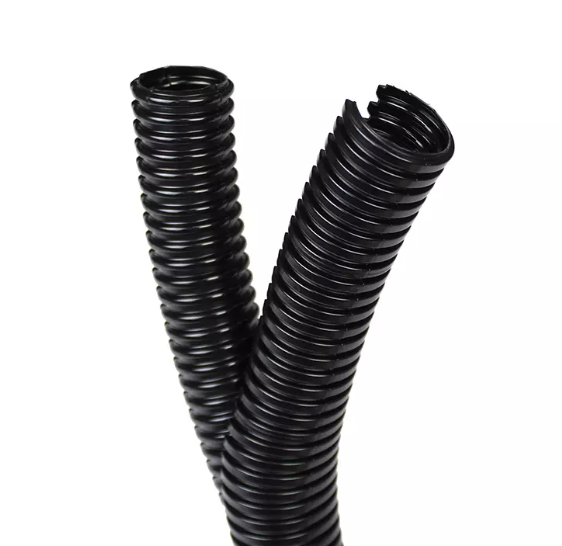
Industrial environments require robust cable management due to heavy machinery, vibration, and frequent modifications. Split flexible corrugated pipes protect high-density wiring from mechanical wear and environmental exposure. They simplify upgrades and expansions while maintaining safety and organization in demanding operational conditions.
In homes and offices, these pipes prevent cable clutter, accidental contact, and minor mechanical stress. They improve safety, maintain neat installations, and reduce maintenance requirements. Proper installation ensures consistent performance across various network types, including power, data, and communication cables.
Exposure to UV radiation, moisture, and chemicals challenges the durability of cable protection systems. Selecting split flexible corrugated pipes with the appropriate material and protective properties ensures long-term performance. Outdoor installations benefit from pipes designed to resist extreme temperatures and environmental wear.
Combining split flexible corrugated pipes with trays, racks, or raceways enhances organization, facilitates maintenance, and simplifies future system expansions. Integrated systems create a neat, professional appearance while ensuring cables remain easily accessible for inspections or upgrades.
Avoid overstretching or excessive bending to preserve pipe integrity. Support clamps or brackets stabilize conduits and prevent stress points. Correct handling during installation ensures the conduit maintains its protective function and extends the lifespan of the electrical or communication system.
Protect pipes from direct sunlight, chemical spills, and physical abrasion. Using protective sleeves, coatings, or shields enhances durability in harsh conditions. Routine protection reduces maintenance needs and ensures cables remain reliably insulated.
Older installations should be evaluated for wear, damage, or insufficient protection. Replacing or upgrading pipes selectively minimizes disruption while improving safety and compliance with modern standards. Retrofitting enables facilities to extend system life without complete rewiring.
Labeling conduit runs and cable bundles enhances clarity and simplifies future maintenance or troubleshooting. Accurate documentation allows technicians to quickly identify paths, configurations, and specifications, improving operational efficiency and reducing errors during system modifications.
Split Flexible Corrugated Pipe provides durable protection for cables. Proper selection, installation, and maintenance ensure long-term performance. Zhonghe’s products deliver flexibility, safety, and efficiency, helping facilities manage cables reliably while reducing risks.
A: Split Flexible Corrugated Pipe is a tubular conduit designed to protect electrical and communication cables. Its split design allows easy retrofitting around existing cables without disconnection.
A: Begin by measuring and cutting the pipe to fit cable runs. Align the slit with cables, wrap it securely, and fasten with clamps or ties. Follow split flexible corrugated conduit installation steps for best results.
A: It offers flexibility, abrasion resistance, moisture protection, and easy installation. Using best practices for split flexible corrugated pipe in cable management improves organization and reduces maintenance.
A: Conduct regular inspections for cracks, wear, or chemical damage. Clean dust and debris, replace damaged sections, and ensure pipes remain securely fastened to prevent system failures.
A: Split Flexible Corrugated Pipe adapts to bends, corners, and complex routes, unlike rigid conduits. It allows faster installation and easier retrofitting while maintaining cable protection.
A: Correct diameter prevents cable compression or overcrowding. Oversized pipes waste space, while undersized pipes risk damage. Proper sizing ensures optimal protection and cable performance.
A: Yes, they can resist UV exposure, moisture, and chemicals if made from high-performance materials. Outdoor installations benefit from durability and long-term reliability.
A: Avoid kinking, overstretching, and inconsistent securing. Ensure proper bend radius and follow split flexible corrugated conduit installation steps to prevent cable damage.
A: It protects cables from mechanical, chemical, and environmental stress, reducing downtime. Proper installation and maintenance minimize failures and ensure safe, reliable systems.
A: Yes, it supports high-density wiring in machinery, automation, and harsh environments. Following best practices for split flexible corrugated pipe in cable management ensures efficiency and safety.


